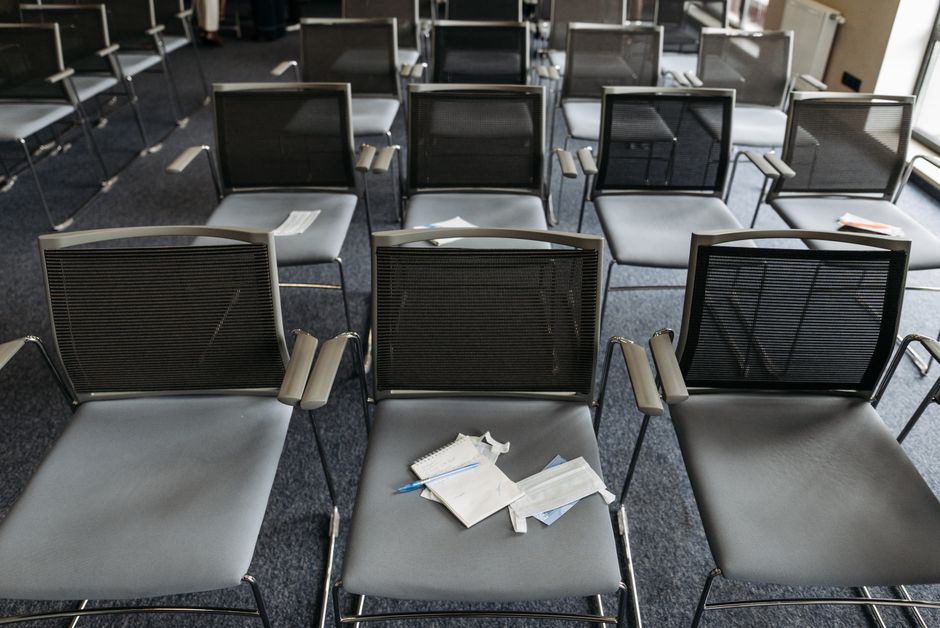
Danson Park Event Carpet Cleaning for Blackfen Venues: A Practical Guide for Busy Event Spaces
If you run or manage a venue near Danson Park, you already know how quickly carpets can go from presentable to tired, stained, and a bit damp-smelling after a busy event. Spilled drinks, muddy shoes, food crumbs, tracked-in grit, and heavy footfall all leave a mark. That is where Danson Park event carpet cleaning for Blackfen venues becomes less of a nice-to-have and more of a sensible maintenance decision.
This guide explains what event carpet cleaning actually involves, why it matters for local venues, how the process works in real life, and what to look for before you book. It also covers timing, methods, compliance, common mistakes, and a practical checklist you can use straight away. If you are comparing options, a good place to begin is the broader commercial carpet cleaning service and the main carpet cleaning page for service details and expectations.
Truth be told, carpets in event spaces take more punishment than people realise. They are not just decorative. They help with acoustics, comfort, and first impressions. And once they start looking grubby, guests notice. Quietly, but they do.
Table of Contents
- Why Danson Park event carpet cleaning for Blackfen venues Matters
- How Danson Park event carpet cleaning for Blackfen venues Works
- Key Benefits and Practical Advantages
- Who This Is For and When It Makes Sense
- Step-by-Step Guidance
- Expert Tips for Better Results
- Common Mistakes to Avoid
- Tools, Resources and Recommendations
- Law, Compliance, Standards, or Best Practice
- Options, Methods, or Comparison Table
- Case Study or Real-World Example
- Practical Checklist
- Conclusion
- Frequently Asked Questions
Why Danson Park event carpet cleaning for Blackfen venues Matters
Event venues around Blackfen, especially those serving guests coming from the Danson Park area, tend to see a particular pattern of wear. There is the obvious traffic from arrivals and departures, but also the less obvious stuff: stand-to-sit movement over and over, buffet spillages, condensation under drinks, and shoes bringing in wet grit during the colder months. By the end of the evening, the carpet can look flat and dull even if there has not been a major accident.
That matters for several reasons. First, presentation. A clean carpet supports the whole atmosphere of the room. Whether it is a private function, a community gathering, a wedding reception, or a corporate event, the floor anchors the space visually. If it looks neglected, the venue feels neglected too. Harsh, but true.
Second, hygiene and odour control. Carpets absorb more than people think. Drink residue, food particles, and moisture can settle into fibres and padding. Left too long, that builds into stale smells or obvious staining. For venues that host regular events, that can become a cycle: each event starts with carpet already a little worse than the last.
Third, operational continuity. Event venues often need fast turnaround times. You may have a Friday evening function, a Saturday afternoon booking, and then another event the same night. That is not much room for error. Professional carpet cleaning helps keep the space serviceable without constant replacement or patchy spot treatment. If your venue layout also includes soft furnishings, the same logic applies to upholstery cleaning and, where relevant, curtain cleaning.
In short: event carpets are part of the guest experience, not just part of the floor plan.
And one more thing. Local venues compete on feel as much as features. A room can have excellent lighting and a solid menu, but if the carpet still carries last month's spill marks, people notice before they consciously know why.
How Danson Park event carpet cleaning for Blackfen venues Works
Most event carpet cleaning jobs begin with a quick assessment. That sounds simple, but it is where a lot of quality is won or lost. The cleaner needs to understand fibre type, visible staining, traffic patterns, accessibility, drying time constraints, and any delicate areas around skirting boards, stage edges, or fixed furniture.
From there, a sensible process usually looks something like this:
- Pre-inspection: identify the carpet material, stain types, wear zones, and any damage already present.
- Dry soil removal: vacuum thoroughly to lift grit and loose debris before any moisture is introduced.
- Pre-treatment: apply suitable cleaning agents to high-traffic areas or visible spots so they can break down dirt properly.
- Deep clean: use the most appropriate method, often hot water extraction or steam carpet cleaning, depending on the carpet and drying window.
- Spot and stain attention: target any remaining marks using controlled stain work rather than aggressive scrubbing.
- Rinse or neutralise: remove residue so the fibres do not feel sticky or attract dirt again too quickly.
- Drying support: improve airflow, open access points where practical, and plan around event schedules.
- Final inspection: check edges, entry points, and visible guest areas first. That is where the eye goes.
Some jobs are quick refreshes, while others are more restorative. A venue carpet that is cleaned after every few events will generally respond better than one that has not been touched for months. No magic there. Just maintenance.
For badly marked areas, targeted stain removal may be needed, especially on food spills, drink rings, or cosmetic transfer. If smells are part of the issue, particularly from wet coats, food residues, or pet-related incidents from community events, pet stain odour removal can be relevant too, although the main cause in venues is often general moisture plus organic residue rather than pets alone.
Key Benefits and Practical Advantages
There is a clear commercial case for keeping event carpets in good shape. It is not just about making things look nice on one day. The longer view matters more.
- Improved first impressions: clean carpets signal care, attention, and professionalism before guests speak to anyone.
- Better guest comfort: fresh flooring supports a cleaner feel, especially in rooms used for dining, dancing, or long seated sessions.
- Longer carpet life: removing grit and embedded dirt helps reduce fibre wear, which can delay replacement costs.
- Faster turnover between bookings: a planned clean reduces the chance of awkward last-minute spot work.
- Odour control: carpets hold onto smells, and deep cleaning helps stop them becoming part of the room.
- Safer presentation: keeping spills under control reduces the risk of visible slick patches or messy high-traffic areas.
- Cleaner whole-room feel: carpets influence the perceived cleanliness of the whole venue, not just the floor.
There is also a subtle benefit that people often overlook: staff morale. A tidy room is easier to work in. People tend to look after a venue better when it already looks cared for. Small thing, maybe, but it adds up.
If your venue regularly hosts mixed-use functions, it can help to pair carpet care with other services such as sofa cleaning and rug cleaning for adjoining lounge or reception areas.
Who This Is For and When It Makes Sense
This kind of cleaning is for more than one type of venue, and that is worth spelling out. It is not limited to formal banqueting spaces. In practice, the need often appears wherever people arrive in groups and stay long enough to leave a mark.
You may need it if you manage:
- community halls and multipurpose venues
- function rooms near Danson Park and Blackfen
- conference or meeting spaces
- school, club, or faith-based event spaces
- hospitality rooms with carpeted guest areas
- shared venues that host celebrations, classes, or private hire bookings
It makes sense to book event carpet cleaning before a key booking, after a busy season, or when the carpet starts looking patchy in certain lanes. The best timing is often a little boring, frankly: before the visible problem becomes a complaint.
There are a few tell-tale signs. If vacuuming no longer lifts the appearance, if the entrances look darker than the rest of the room, if chairs leave visible indentation lines, or if you are starting to smell a faint stale note after the room has been closed up, the carpet is telling you something.
And yes, sometimes the answer is just one strong clean, not a replacement. People rush to the expensive option too quickly.
Step-by-Step Guidance
If you want to plan this properly, here is the practical route. Nothing fancy, just a clean sequence that works.
1. Map the event pressure points
Look at where guests enter, queue, stand, spill, and sit. Doorways and service routes usually take the heaviest punishment. If there is a bar, buffet, or dance area, note that too. Those spots need a different approach from a low-traffic corner.
2. Identify the carpet type
Wool, synthetic blends, and loop pile carpets all react differently. The wrong method can leave too much moisture behind or, worse, distort fibres. If you are unsure, ask before work begins. Better an awkward question now than a flat patch later.
3. Schedule around drying time
This is one of the biggest mistakes venues make. A carpet can be technically clean but still unusable if it is damp when guests arrive. Build in enough time for airflow and drying, especially in cooler weather or enclosed rooms.
4. Deal with stains before they settle
Fresh marks are usually easier to treat than old ones. That said, avoid panic scrubbing. Dab, contain, and get the right treatment in place. Aggressive rubbing often spreads the stain and can fuzz the pile.
5. Use the correct deep-cleaning method
Depending on carpet condition and schedule, the cleaner may choose hot water extraction, low-moisture cleaning, or another suitable approach. The right choice is the one that balances soil removal with drying speed. Not every venue needs the same thing.
6. Finish with a proper inspection
Check the edges, corners, entrance mats, and any obvious visual lanes once the clean is complete. If a high-traffic entrance still looks dull, it may need a second pass or a targeted treatment.
If you need a wider facility refresh, it may be worth looking at commercial carpet cleaning alongside specialist support for connected soft furnishings. It is all part of keeping the space coherent rather than patchy.
Expert Tips for Better Results
There are a few small decisions that make a surprisingly big difference. This is the kind of stuff people only learn after a few jobs, or after a small disaster. We have all seen those, to be fair.
- Vacuum before the cleaner arrives: it helps, especially in event spaces where dry debris builds up fast.
- Keep a spill-response kit on site: white cloths, a safe blotting approach, and clear instructions for staff are simple but useful.
- Protect entry points: mats at doors reduce the amount of grit that reaches the carpet in the first place.
- Ask about drying expectations in writing: this avoids that awkward "I thought it would be ready by lunch" moment.
- Match the method to the booking calendar: if the next event is soon, low-moisture or faster-drying systems may suit better than a heavier clean.
- Do not treat every stain the same: food, drink, ink, mud, grease, and cosmetics each behave differently.
A simple but often missed tip: clean the worst areas first, not last. The entrance, refreshment zone, and central walkways are the places guests see and feel most. Get those right and the whole room improves.
Another one. If your venue is near parkland or green space, you will likely see more mud and damp grit in wetter months. It is a seasonal thing, and easy to underestimate until the floor starts looking tired by early afternoon.
Common Mistakes to Avoid
Most carpet problems in venues are not caused by one catastrophe. They are caused by small avoidable habits repeated over time.
- Leaving cleaning too close to the next event: this creates pressure, rushed drying, and sometimes skipped checks.
- Using excessive water: more moisture is not always better. It can lengthen drying and leave residues behind.
- Scrubbing stains hard: this can spread the mark and damage the pile.
- Ignoring entrances: these are the first and often worst damaged zones.
- Booking without checking access: cleaners need workable entry, water access, and space for equipment.
- Assuming one treatment suits every carpet: that is how good carpets get damaged for no good reason.
One more mistake worth flagging: cleaning only when the carpet looks terrible. By then, dirt has often built up far below the surface. The job becomes harder, slower, and sometimes less complete. Prevention may sound dull, but it is cheaper. Usually.
Tools, Resources and Recommendations
For venues that want to stay ahead of wear, the best toolkit is a mix of simple in-house habits and professional support. You do not need a warehouse full of gear, just a sensible system.
Useful venue-side items:
- commercial vacuum cleaner suitable for frequent use
- microfibre cloths for minor spills
- discreet floor mats at entrances
- clear signage for wet-floor or cleaning areas
- a documented spill response routine for staff
- a booking calendar that allows for drying time
Professional services that may complement carpet work:
- steam carpet cleaning for deeper fibre refreshes where suitable
- stain removal for isolated marks that need more than vacuuming
- upholstery cleaning for chairs, banquettes, and soft seating
- curtain cleaning where fabric buildup affects the room's freshness
It is also sensible to review practical housekeeping details such as access, booking terms, and payment processes before confirming work. The pages on pricing and quotes, payment and security, and terms and conditions can help you understand how a booking is handled. If you want a little more background on the company itself, the about us page is a useful starting point.
Law, Compliance, Standards, or Best Practice
For venues in the UK, carpet cleaning itself is usually less about one dramatic rule and more about sensible duty of care. In practice, that means keeping guest areas reasonably clean, managing slip risks, using products responsibly, and making sure staff are not exposed to unnecessary hazards. You do not need to turn it into a legal drama. Just do it properly.
Good practice usually includes:
- clear risk awareness around wet floors and cable routes
- appropriate ventilation during and after cleaning
- safe handling of cleaning agents and equipment
- planned access control so guests do not walk on damp carpet
- routine checks of cleaning condition before a venue opens
For businesses, insurer expectations may also come into play. It is sensible to ensure the contractor is covered and operates safely. That is why pages like insurance and safety and health and safety policy are worth reading before you book. If your venue has broader sustainability goals, you may also want to review recycling and sustainability.
For public-facing venues, accessibility matters too. If a clean is planned around guest movement, exits, or temporary obstruction, the process should not create avoidable barriers. Small detail, big difference. And if a complaint ever arises, it helps to know there is a clear complaints procedure and a straightforward privacy policy for any data you share during booking.
Options, Methods, or Comparison Table
Different venue situations call for different approaches. Below is a simple comparison to help you think it through.
| Method | Best for | Strengths | Watch-outs |
|---|---|---|---|
| Hot water extraction | General deep cleaning and heavy soil | Good soil removal, strong refresh, suitable for many commercial carpets | Can need more drying time |
| Low-moisture cleaning | Fast turnaround venues | Quicker drying, useful between events | May be less intensive on long-set-in soil |
| Steam carpet cleaning | Deep fibre cleaning where suitable | Strong all-round clean, good for restoring appearance | Method must suit carpet type and timing |
| Targeted stain treatment | Localised marks or spill events | Efficient, focused, often less disruptive | Does not replace full maintenance cleaning |
In real venue work, the best solution is often a mix. A general clean for the room, then a bit of extra attention around the entrance or drink station. That is usually enough to make the place feel properly reset.
For some Blackfen venues, especially those with mixed carpet and fabric interiors, combining carpet care with rug cleaning or sofa cleaning creates a cleaner overall presentation than tackling the floor alone.
Case Study or Real-World Example
Here is a realistic example from the kind of situation many venues face. A local function room near Danson Park has a Saturday evening booking after a daytime community event. The room is not filthy, but the carpet has light drink marks near the refreshment area, muddy tracking at the entrance, and a slightly stale smell after being closed overnight.
The venue manager does not want a dramatic overhaul. They need the space to look refreshed, dry in time, and safe for the next hire. The cleaner assesses the room, spots the heaviest wear lanes, treats the visible marks first, and then carries out a deeper clean over the central floor area. Chairs are lifted where needed, edges are checked, and the room is left with enough drying time before reopening.
The key thing here is not the size of the job. It is the timing. If the venue had waited until the carpet was heavily discoloured, it would have needed more intrusive work and possibly a longer closure. Instead, the manager treats the issue early and keeps the space moving. Sensible, really.
That is the whole point of good event carpet care. Not perfection. Just reliable, repeatable presentation that lets the venue keep working without embarrassment.
Practical Checklist
Use this checklist before and after any event cleaning appointment.
- Identify the highest-traffic areas in the venue
- Note any recent spills, stains, or odours
- Confirm carpet type and any sensitive floor areas
- Plan the clean around the next booking
- Allow enough drying time before guests return
- Check access for equipment and water supply
- Move or protect furniture where required
- Ask what stain treatment is suitable for specific marks
- Confirm whether the contractor follows safe working practices
- Inspect the room after cleaning, including edges and entrances
Quick reminder: the best venue carpet cleaning plan is the one that is easy to repeat. Simple beats complicated every time.
Conclusion
Danson Park event carpet cleaning for Blackfen venues is ultimately about keeping your space ready, respectable, and genuinely pleasant to use. It supports guest experience, protects your flooring investment, and reduces the awkwardness that comes from trying to impress people with a room that looks half-worn out.
Handled well, it is a straightforward part of venue management. Handled badly, it becomes one more thing you have to apologise for. That is why planning, timing, and the right method matter more than most people realise.
If you are weighing up your next clean, focus on the practical stuff first: drying time, stain type, access, and how quickly the room needs to be back in use. The rest tends to follow from there.
Get a free quote today and see how much you can save.
And if you take one thing from this guide, let it be this: a well-kept carpet quietly does a lot of heavy lifting for the whole venue.
Frequently Asked Questions
What is Danson Park event carpet cleaning for Blackfen venues?
It is specialist carpet cleaning planned around event spaces serving Blackfen and the Danson Park area, with attention to heavy footfall, spills, drying time, and presentation.
How often should a venue carpet be professionally cleaned?
That depends on traffic, event frequency, and the type of use. Busy venues often need more regular cleaning than low-use spaces, especially if food and drinks are served.
Can event carpets be cleaned between bookings?
Yes, but only if the method and drying time fit the schedule. Fast turnaround spaces usually need a cleaning plan built around the booking calendar, not after it.
Is steam carpet cleaning suitable for venues?
Often, yes, but it depends on the carpet fibre, backing, and drying window. A suitable method should be chosen after inspection rather than assumed.
What stains are hardest to remove from event carpets?
Older drink spills, greasy food marks, and deeply set dirt in entrance lanes can be challenging. Fresh stains are almost always easier to deal with than old ones.
How long does carpet cleaning take in a venue?
It varies with size, soil level, and method used. A small room may be completed quickly, while larger or heavily used areas need more time for cleaning and drying.
Will the carpet be safe to walk on straight after cleaning?
Usually not immediately. Even when the visible clean is finished, carpets may still need drying time. That is why event planning around the clean matters so much.
Should I clean upholstery and curtains at the same time?
If the room has fabric seating or heavy curtains, it can be a smart move. It helps the venue feel consistently fresh rather than only half-updated.
What should I ask before booking a commercial carpet clean?
Ask about method, expected drying time, stain treatment, access needs, insurance, and how the work fits your event schedule. Clear answers up front save stress later.
Is regular maintenance better than waiting for a deep clean?
Yes, in most cases. Regular maintenance keeps carpets looking better for longer and usually makes deep cleaning more effective when it is needed.
Do local venues need to worry about safety and compliance?
They do, but mostly in a practical sense: safe access, ventilation, slip prevention, and clear working methods. The cleaning should support safe use of the space, not complicate it.
Where can I learn more about service terms and booking details?
Useful starting points include the terms and conditions, pricing and quotes, and contact page for booking-related questions.